Stomach Bloating And Gas

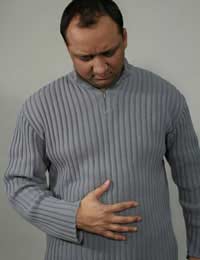
Each of us at one time or another have experienced the feeling of being bloated; that uncomfortable sensation where the stomach or intestines are pushed against the skin making the area distended and hard. This is normally caused by an excessive build up of intestinal gas – or wind.
Bloating and gas can be caused by a great many things including:
- Talking while chewing your food
- Eating too fast
- Not digesting food properly
- Aerophagy (taking in large amounts of air)
- Lactose Intolerance
- Improper or poor functioning liver
If the Problem Persists
If you are having persistent problems with bloating and gas, it is wise to consult your GP who will be able to advise you on what course of action to take. Sometimes the problem can be nothing more than a normal bodily function that reacts against perhaps a food or liquid that the body is not familiar with. Indeed sometimes it’s completely normal and will occur of its own accord and likewise not occur.But for those of us who suffer from bloating with any regularity, consulting the doctor is the best way forward. He will be able to diagnose the problem and may suggest changes in diet, lifestyle, etc. Stress and cigarette smoking are also contributing factors, and a combination of the two can exacerbate the problem.
How to Beat the Bloat
For most people the condition is minor one, which will – from time to time – reoccur, but for some it can be a persistent problem that can cause havoc during their everyday lives. In order to try to rectify this, you can look at your daily intake of dairy products, such as milk, cheese, cream etc, and also the amount of food you consume that contains starch, such as bread and potatoes. Overloading your digestive system with high volumes of the aforementioned food can cause bloating and gas and all the effects that go with them, such as pain in the abdomen, problems passing stools and a hardness in the stomach and abdomen areas.Also it is worth noting that this is a problem that can occur if your diet contains a high amount of carbohydrates – starchy or sugary foods taken in large amounts – so if your doctor suggests a revision of your diet, it is wise to consider this as a viable option.
Tips When Eating
Several of the simplest and most effective things you can do to alleviate this problem include not eating while on the move, maintaining an upright sitting position when eating, reducing the amount of carbonated drinks you consumed, reduce the chewing of gum and indeed, as perhaps silly as it sounds, chewing with your mouth closed so that you are not taking on excess air.In addition, it is worth taking the time to sit down at the dining table and enjoying a meal properly. You will find that not only will the problem of bloating and gas be reduced – if not cut out altogether – but you will most certainly enjoy your food more.
Further Reading
To understand more about your digestive system, you may be interested to read our features How Your Digestive System Works and Improving Your Digestion With Functional Foods.- Rising Incidence of Stomach Cancer
- How Cauda Equina Syndrome Affects the Stomach
- The Causes Of Diarrhoea
- Symptoms of Acid Reflux
- Symptoms Of Crohn's Disease
- Symptoms of Pancreatitis
- Symptoms of Stomach Migraines
- Symptoms of Appendicitis
- Symptoms of Endometritis
- Symptoms Of Peptic Ulcers
- Symptoms of Gastroenteritis
- Symptoms of Irritable Bowel Syndrome

Re: Symptoms of Stomach Migraines
When I started menopause 8yesrs ago I had my first stomach attack. With me I start to sweat profusely then comes the pain so…
Re: How Cauda Equina Syndrome Affects the Stomach
I have had cauda equina syndrome now for 10 years. For a considerable amount of that time I took…
Re: Symptoms Of Peptic Ulcers
I also have this chest pain and my heart is beating very fast and painfull and the other thing is that my left side breast it pains.i…
Re: Symptoms Of Peptic Ulcers
I was diagnosed of gastric ulcer after I went for an endoscopy. I have used intravenous rabeprazole and now am using ulsakit. But I…
Re: Symptoms Of Peptic Ulcers
Hello guys, first all of you have to visit gi. And done ugd, then only Dr have to came to know what happened inside your stomach. Yes…
Re: What is Thickening of the Bowel?
I had a virtual colonoscopy and was told I had a thickened left colon. I have acute bouts of lower left abdominal pain which…
Re: What is Thickening of the Bowel?
HI CAN SOME BODY TELL ME WHAT MILD SMALL BOWEL VERSUS IN THICENING RELATED TO UNDERDISTENTION MEAN?
Re: Symptoms Of Peptic Ulcers
Princess gold - Your Question:I av ulcer and I feel tiredness, dizzy, pain under my left breast ? Is it still a sign of ulcer ?
Re: Symptoms Of Peptic Ulcers
I av ulcer and I feel tiredness, dizzy, pain under my left breast ? Is it still a sign of ulcer ?
Re: Symptoms Of Peptic Ulcers
ola - Your Question:I have chest pain in my left chest ,sometimes I have pain under the armpit. am just fiftten years of age.I do HV…